Last updated: July 2026
What if the answer to many of life’s biggest challenges wasn’t buying more, earning more or depending on someone else—but learning to provide more for yourself?
Homesteading is much more than growing vegetables or raising chickens. It’s about building resilience, developing practical skills and creating a life that’s less dependent on fragile supply chains and more connected to nature, family and community.
Please read: This information is provided for educational purposes only and is not intended to treat, diagnose or prevent any disease. We encourage you to make your own health care decisions in partnership with a qualified health care professional.
This post contains affiliate links, this means at no extra cost to you, we make a commission from sales. Please read our Disclosure Statement
The wonderful thing is that you don’t need hundreds of acres to become a homesteader.
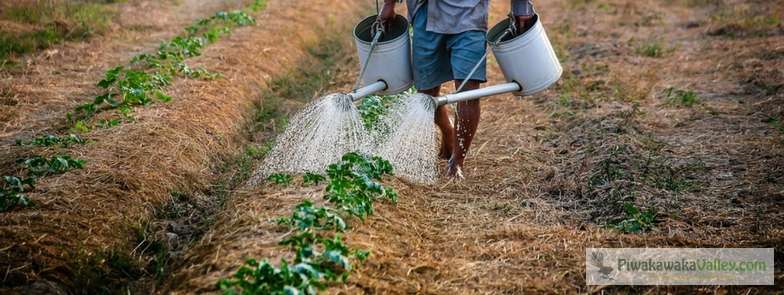
You can begin in an apartment, a suburban backyard, a rented home or on a rural property. Every loaf of bread you bake, every tomato you grow, every item you repair instead of replacing and every new skill you learn is another step towards greater independence.
Modern homesteading isn’t about trying to live exactly like our great-grandparents. It’s about taking the best of traditional skills and combining them with modern knowledge to build a simpler, healthier and more resilient life.
Contents
- Quick Answer
- What Is Homesteading?
- Why Are So Many People Homesteading?
- Benefits of Homesteading
- Homesteading Is a Mindset
- Can You Homestead Anywhere?
- Watch the Videos
- The Principles of Homesteading
- How to Get Started
- Frequently Asked Questions
Quick Answer
Homesteading is the practice of becoming more self-reliant by growing food, learning practical skills, reducing waste and relying less on outside systems.
Modern homesteading doesn’t require owning a farm or living off-grid. Anyone can become a homesteader by learning simple skills like gardening, preserving food, baking, repairing items, keeping backyard chickens, composting or cooking from scratch.
Ultimately, homesteading is about creating a more resilient, intentional and fulfilling way of living.
What Is Homesteading?
Ask ten different homesteaders what homesteading means and you’ll probably receive ten different answers.
Some picture a family living completely off-grid with solar panels, dairy goats and a huge vegetable garden.
Others imagine preserving tomatoes from a small backyard garden or baking sourdough every weekend.
The truth is they’re all right.
Homesteading isn’t defined by how much land you own or how many animals you keep.
It’s defined by your willingness to become a little more capable every year.
Every new skill you learn increases your independence.
Every dollar you don’t have to spend because you can grow, repair or make something yourself strengthens your family’s resilience.
That’s what modern homesteading is really about.
Why Are More People Choosing Homesteading?
Over the past few years millions of people have started asking the same questions.
- Why does food cost so much?
- Why are supermarket shelves sometimes empty?
- Why do I work harder every year but seem to get further behind?
- What would happen if the power went out or supply chains failed again?
- How can I give my children healthier food and practical life skills?
Homesteading doesn’t eliminate every problem, but it gives you something incredibly valuable—options.
A vegetable garden won’t solve inflation overnight, but harvesting dinner from your backyard feels very different from worrying whether the supermarket has stock.
Knowing how to preserve food, bake bread, grow herbs, repair clothing or heat your home without relying entirely on modern conveniences creates a quiet confidence that’s difficult to describe until you’ve experienced it.
The Benefits of Homesteading
People often begin homesteading for one reason but stay for dozens more.
| Benefit | How It Helps |
|---|---|
| Healthier food | Grow fresh seasonal produce with fewer additives. |
| Lower grocery bills | Produce food at home and preserve seasonal abundance. |
| Greater resilience | Develop practical skills that reduce dependence on outside systems. |
| Environmental benefits | Reuse, recycle, compost and waste less. |
| Family education | Children learn valuable life skills naturally. |
| Improved wellbeing | Gardening and working outdoors support physical and mental health. |
| Community | Share produce, barter and connect with local growers. |
Perhaps the greatest reward isn’t financial at all.
It’s the satisfaction that comes from creating something useful with your own hands.
Homesteading Is a Mindset
One of the biggest misconceptions is that homesteading requires a rural lifestyle.
It doesn’t.
Homesteading is first and foremost a mindset.
It’s choosing to ask:
“Can I learn to do this myself?”
Instead of automatically buying something new, homesteaders often ask:
- Can I grow it?
- Can I repair it?
- Can I reuse it?
- Can I borrow it?
- Can I make it myself?
That simple shift in thinking changes almost every part of daily life.
You Can Homestead Anywhere
One of my favourite things about homesteading is that almost anyone can begin.
You don’t need acres of land.
You don’t need expensive equipment.
You certainly don’t need to wait until “one day.”
You can homestead:
- In an apartment.
- In a suburban backyard.
- On a lifestyle block.
- On a working farm.
- In a tiny house.
- In a rented property.
Start where you are, with what you have.
Every skill builds upon the next.
Watch the Videos
You’ll also enjoy this short video on reducing waste and embracing practical homesteading skills.
Related articles:
The Principles of Modern Homesteading
Every homestead looks different, but most successful homesteaders share a handful of common values.
They aren’t trying to do everything themselves—they’re simply becoming a little more capable every year.
These principles are what make homesteading such a rewarding lifestyle.
Homesteading Is Frugal, Not Cheap
One of the biggest misconceptions is that homesteaders are simply trying to spend as little money as possible.
That’s rarely true.
Homesteaders tend to spend money differently.
Instead of buying disposable products that need replacing every year, they often invest in quality tools that will last for decades.
A good cast-iron pan.
A sturdy wheelbarrow.
A quality shovel.
A pressure canner.
A reliable pair of boots.
These purchases save money over time because they don’t need constant replacement.
At the same time, many homesteaders love second-hand shopping.
Garage sales, auctions, online marketplaces and op shops are treasure troves for practical equipment.
Learning to recognise quality is a valuable homesteading skill in itself.
Related:
Preparing for the Next Recession
Homesteading Wastes Very Little
Nature wastes almost nothing.
Homesteaders try to follow the same philosophy.
Kitchen scraps become compost.
Or chicken food.
Or soup stock.
Sometimes all three.
Vegetable trimmings become compost that feeds next year’s garden.
Old clothing becomes cleaning rags.
Timber offcuts become raised garden beds, shelves or chicken coops.
Broken furniture is repaired or repurposed.
Rainwater is collected.
Leaves become mulch.
Nothing useful is thrown away without first asking:
“Could this become something else?”
Reducing waste doesn’t just save money—it encourages creativity.
Related:
20 Ways to Save Money on the Homestead
Homesteading Is Creative
Walk around any established homestead and you’ll quickly notice something.
Very few things are used exactly as they were originally intended.
An old bookshelf becomes nesting boxes.
Broken pallets become compost bins.
Old windows become greenhouse panels.
Food-grade barrels become rainwater storage.
Scrap timber becomes fences.
An old gate becomes a trellis.
Homesteaders become experts at seeing possibilities where others only see rubbish.
Creativity is one of the most valuable resources you’ll ever develop.
Related:
Homesteading Means Eating With the Seasons
One of the greatest joys of homesteading is rediscovering seasonal food.
Instead of expecting strawberries every month of the year, you begin looking forward to the few glorious weeks when they’re naturally abundant.
Fresh peas in spring.
Tomatoes in summer.
Pumpkins in autumn.
Slow-cooked stews in winter.
Eating seasonally reconnects you with the rhythm of nature.
It also means food often tastes better because it has been harvested at its peak.
Related:
Learn to Preserve the Harvest
Growing food is only half the equation.
Knowing how to preserve it is what turns a productive garden into year-round food security.
Modern homesteaders preserve food in many different ways.
- Water bath canning
- Pressure canning
- Dehydrating
- Freezing
- Fermenting
- Pickling
- Root cellaring
Every preserved jar represents food that won’t need to be purchased later.
It’s deeply satisfying opening a jar of peaches, tomatoes or apples that you preserved months earlier.
Related:
Homesteading Is Deeply Satisfying
Modern life often disconnects us from the results of our work.
Many people spend their days pushing paperwork, answering emails or sitting behind screens.
There’s nothing wrong with those jobs—but they rarely provide the simple satisfaction of creating something tangible.
Homesteading changes that.
You plant a tiny seed.
Weeks later you’re harvesting dinner.
You chop firewood.
That evening it warms your family.
You milk a goat.
Tomorrow you’ll make cheese.
The connection between effort and reward becomes beautifully obvious.
Related:
Start Your First Vegetable Garden
10 Homesteading Skills Everyone Should Learn
Homesteading Builds Strong Communities
Although homesteading encourages independence, it doesn’t mean doing everything alone.
In fact, the strongest homesteads are usually surrounded by strong communities.
Neighbours swap seedlings.
Gardeners share surplus vegetables.
People exchange eggs for honey.
Experienced growers mentor beginners.
Communities become stronger when knowledge is shared freely.
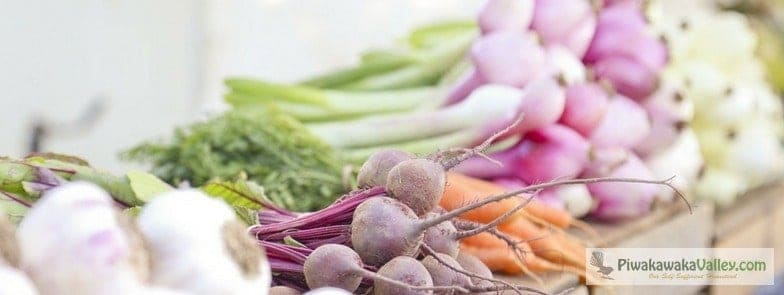
Whether it’s joining a local gardening club, volunteering at a community garden or supporting your local farmers’ market, every connection builds resilience.
Many homesteaders also enjoy participating in produce swaps, seed exchanges and local food-sharing initiatives.
You Don’t Need Perfection
Perhaps the biggest mistake beginners make is believing they need to become “real homesteaders” overnight.
You don’t.
Start with one skill.
Master it.
Then choose another.
Over time those small improvements compound into an incredibly capable and resilient lifestyle.
Remember:
- You don’t need land to start.
- You don’t need expensive equipment.
- You don’t need to know everything.
- You simply need to begin.
Every tomato you grow.
Every loaf you bake.
Every meal you preserve.
Every skill you learn.
They’re all steps towards a more resilient future.
How to Start Homesteading
The biggest obstacle for most people isn’t a lack of land or money.
It’s believing they need to change everything at once.
The truth is that homesteading is simply the process of learning one practical skill after another.
You don’t wake up one morning as a homesteader.
You become one through hundreds of small decisions made over time.
10 Simple Ways to Begin Today
- Grow one vegetable you enjoy eating.
- Learn one food preservation method.
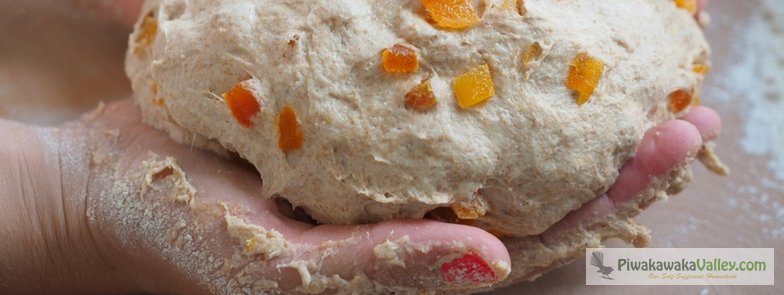
- Bake bread from scratch.
- Start composting kitchen scraps.
- Collect rainwater for your garden.
- Cook one meal each week using only seasonal ingredients.
- Learn one simple repair skill.
- Reduce food waste.
- Support local farmers and producers.
- Keep learning.
None of these require a large property.
Together they create a lifestyle that is healthier, more sustainable and far more resilient.
Traditional Skills Worth Learning
One of the joys of homesteading is rediscovering skills that previous generations simply considered normal life.
Many of these skills save money, improve self-confidence and reduce dependence on outside services.
- Gardening
- Seed saving
- Composting
- Cooking from scratch
- Bread making
- Fermenting
- Water bath canning
- Pressure canning
- Dehydrating food
- Soap making
- Sewing and mending
- Woodworking
- Keeping chickens
- Keeping bees
- Fruit tree care
- Basic home maintenance
- Foraging
- Herbal remedies
You don’t need to master all of them.
Choose the ones that fit your family and your lifestyle.
Related: 33 Traditional Skills Every Homesteader Should Learn
Common Homesteading Myths
You Need Lots of Land
False.
Many people begin with a few pots of herbs on a balcony, while others transform small suburban backyards into amazingly productive food gardens.
You Have to Live Off-Grid
Not at all.
Many homesteaders remain connected to mains power and town water while gradually becoming more self-reliant in other areas.
It’s All About Growing Food
Growing food is only one part of homesteading.
Cooking, preserving, repairing, building, reducing waste, caring for animals and developing practical life skills are all equally important.
You Need to Be Rich
Many people begin because they want to save money.
Homesteading often rewards creativity far more than expensive equipment.
You Must Do Everything Yourself
No one does everything.
Every homesteader chooses the skills that fit their interests, available time and circumstances.
What Does a Modern Homestead Look Like?
There’s no single definition.
Your homestead might include:
- A productive vegetable garden.
- Fruit trees.
- Rainwater collection.
- Solar panels.
- Backyard chickens.
- Bees.
- A compost system.
- Food preservation shelves.
- Homemade cleaning products.
- A thriving herb garden.
Or it may simply be a windowsill full of herbs and a loaf of sourdough rising on the kitchen bench.
Every journey begins somewhere.
Frequently Asked Questions
What is homesteading?
Homesteading is a lifestyle focused on becoming more self-reliant through practical skills such as gardening, cooking, preserving food, repairing items and reducing waste.
Can you homestead without land?
Absolutely. Many people successfully homestead in apartments, rented homes and suburban backyards.
Can you homestead in the city?
Yes. Urban homesteading is becoming increasingly popular and often includes container gardening, composting, preserving food and backyard chickens where regulations allow.
Do homesteaders have jobs?
Many do. Homesteading is often something families build alongside regular employment.
Do you have to grow all your own food?
No. Every little bit helps. Even growing herbs or preserving seasonal produce reduces dependence on supermarkets.
Is homesteading expensive?
It can be started very cheaply. Many skills actually save money over time.
What’s the first thing beginners should learn?
Growing a few vegetables and learning basic food preservation are excellent places to begin.
Can children be involved?
Definitely. Gardening, cooking, caring for animals and preserving food are wonderful life skills for children.
Is homesteading environmentally friendly?
Many homesteading practices naturally reduce waste, lower food miles and encourage more sustainable living.
Is it too late to start?
Never.
Whether you’re 20 or 80, today’s small step is better than waiting for the perfect moment.
Final Thoughts
Homesteading isn’t about escaping the modern world.
It’s about becoming a little less dependent on it.
Every seed planted, every loaf baked, every jar preserved and every skill learned strengthens your confidence and your resilience.
You don’t need to own a farm.
You don’t need to be completely self-sufficient.
You simply need the willingness to learn.
Start where you are.
Use what you have.
Learn one new skill.
Then another.
Before long, you’ll discover that homesteading isn’t something you do.
It’s someone you become.
And if you’re ready to start growing your own food, don’t miss this resource:
The Homesteader’s Guide to Seasonal Gardening
Recommended Homesteading Books
The following books have inspired countless homesteaders and are excellent additions to any self-reliance library.


I try to cook from scratch and know how to bake my own bread. Way better than store bought. I can make my own laundry and dish detergents. It’s common for me to donate clothing etc. To thrift stores and I don’t use paper towels. I hope one day to have a small farm. Until then there is still plenty to learn. Thanks for the encouragement.
Vicky it sounds like you are doing lots already! Great job! Thank you for taking the time to comment
I am learning to dehydrate foods. I have mastered canning, making jams, and jellies. I am a avide crocheter. Most of our meals are made from scratch and cooked in cast iron. We are starting with chickens and I love using the eggs. So much to learn but I am more than willing. Thanks for the article. Loved it.
Thank you for your kind encouragement Stephanie. It sounds like you are doing amazing things 🙂
Very well stated!
This is a wonderful blog. I just love this statement…..Homesteading is a mindset, a way of life.
Tracy, thank you for your kind comment 🙂