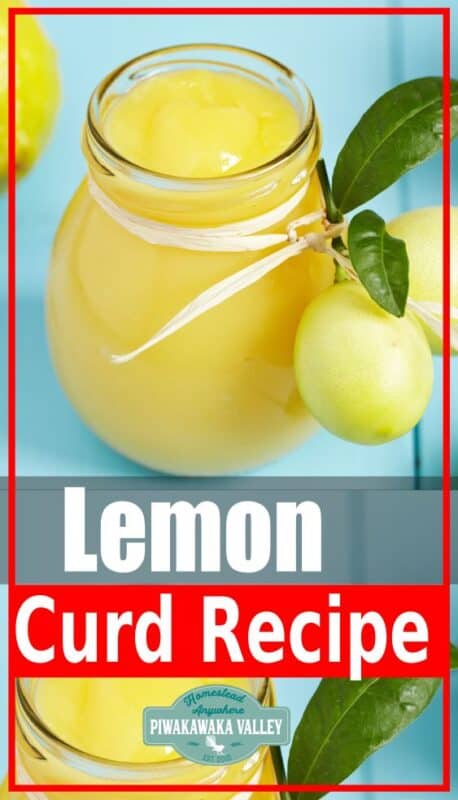

is also known as , curd or “that yummy yellow stuff you put on your pavlova last Christmas”. Commonly known as in New Zealand, but this curd recipe will work, no matter where you live. Go here if you are looking for preserving lemons in honey.
We love lemons in our house, we will usually make salted preserved lemons () to use in cooking year round.
We make to use to make tea when the cold and flu season hits.
We will regularly make our own natural cough and I do love a good cheese cake!
Please read: This information is provided for educational purposes only and is not intended to treat, diagnose or prevent any disease. We encourage you to make your own health care decisions in partnership with a qualified health care professional.
This post contains affiliate links, this means at no extra cost to you, we make a commission from sales. Please read our Disclosure Statement
Quick Answer
Lemon honey, as it’s traditionally known in New Zealand, is the same delicious spread that most of the world calls lemon curd. Made with fresh lemons, eggs, butter and sugar, it’s smooth, tangy and wonderfully creamy. This easy recipe can be made on the stovetop or in the microwave, keeps for up to two months in the fridge, and is perfect on toast, scones, cakes, pavlova and desserts.
If you’re looking for a reliable homemade lemon curd recipe with simple ingredients and plenty of tips for success, you’re in the right place.
– a New Zealand tradition
I grew up loving the spread that my Grandma would occasionally make in the Autumn. The lush flavoured sweet yellow conserve was thicker than jam, but more like a soft custard in texture. On top of warm toast with lashings of butter. It is still a real favourite of my husbands, he likes to sneak it with a spoon straight out of the jar.
Despite it’s name, actually has no in it, and around the rest of the world it is known as curd. Which is weird too, because it contains no milk or curd either.
– Curd Recipe
This is an easy curd or recipe that will last for several months when kept in the refrigerator.
You will need:
2 lemons
100g (4 oz) butter, cut into small cubes
1 ½ cups 4 large eggs
Clean enough jars to hold 2 cups of 500ml of liquid. Two 1/2 pint or 300ml jars would be perfect, or smaller ones if you want to.
Heat the oven to 200F or 100C and place the jars in there on a tray for 10-12 minutes to sterilize them. Turn the oven off and leave the jars in there to stay warm while you make the .
Using a fine grater or zester grate the , avoiding the bitter white pith. The is tasty, the pith is bitter and yuck.
Squeeze the and strain to remove pips.
Beat eggs a little in a bowl with a fork to combine.
Put all ingredients into a heavy-based saucepan on a low heat.
Cook slowly over a low heat, whisking continuously until thick and smooth (around 15-20 mins).
Don’t let it boil or it may separate.
Spoon into sterilised jars and store in refrigerator once cool.
Keeps for up to 2 months.
spread is perfect spread on toast, scones and muffins, or try one of the baking uses below.
Makes 2 cups.
Microwave instructions for making / curd
Using the same ingredients as above, and sterilize the jars in the same manner.
Place the eggs and in a large microwave proof bowl or jug.
Whisk with a wire whisk, until well combined.
Add the butter, and and stir well.
Microwave on high for 8- 10 minutes, stirring every minute, until the mixture is smooth, thick and creamy.
Cool for 5 minutes then pour into warm clean jars. Store in the fridge. Keeps for up to 2 months.
Variations for
To make passionfruit , replace the measure above with 1/4 cup passionfruit pulp and the grated and of 1 . Follow the same instructions.
To add a twist, add 1 teaspoon of grated in with the and follow the same directions.
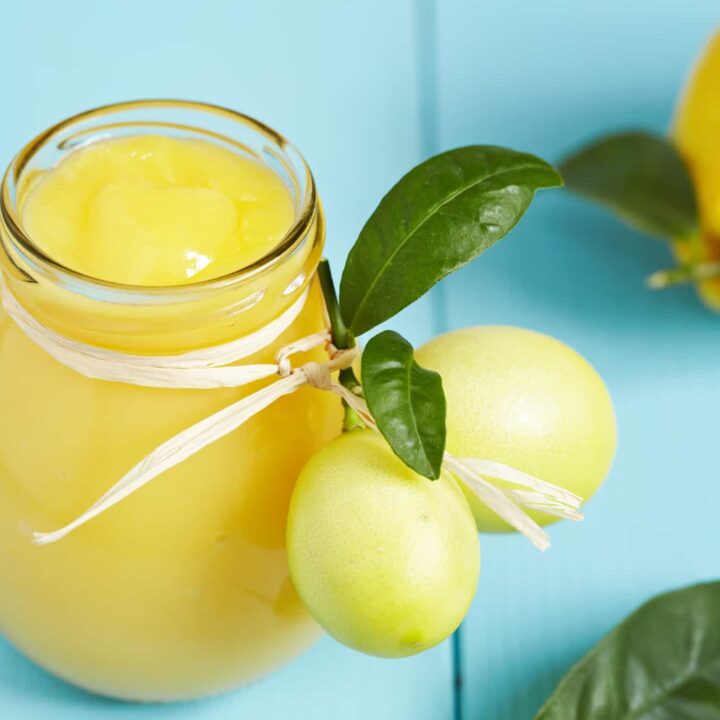
Lemon Honey Preserve (Curd)
This lemon honey preserve is also known as lemon curd. It is sweet and tangy and a delicious delight
Ingredients
- 2 lemons
- 100g (4 oz) butter, cut into small cubes
- 1 ½ cups sugar
- 4 large eggs
Instructions
Clean enough jars to hold 2 cups of 500ml of liquid. Two 1/2 pint or 300ml jars would be perfect, or smaller ones if you want to.
Heat the oven to 200F or 100C and place the jars in there on a tray for 10-12 minutes to sterilize them. Turn the oven off and leave the jars in there to stay warm while you make the lemon honey.
Using a fine grater or lemon zester grate the lemon rind, avoiding the bitter white pith. The lemon peel is tasty, the lemon pith is bitter and yuck.
Squeeze the lemon juice and strain to remove pips.
Beat eggs a little in a bowl with a fork to combine.
Put all ingredients into a heavy-based saucepan on a low heat.
Cook slowly over a low heat, whisking continuously until thick and smooth (around 15-20 mins).
Don't let it boil or it may separate.
Spoon into sterilised jars and store in refrigerator once cool.
Keeps for up to 2 months.
Lemon spread is perfect spread on toast, scones and muffins, or try one of the baking uses below.
Why Do New Zealanders Call Lemon Curd “Lemon Honey”?
If you’ve landed on this page wondering whether lemon honey and lemon curd are the same thing, the answer is yes.
Here in New Zealand, generations have grown up calling this rich, buttery lemon spread lemon honey, despite the fact it contains absolutely no honey at all!
The exact origin of the name has been lost over time, but it has appeared in New Zealand cookbooks for decades. Across Australia, the United Kingdom, the United States and most of Europe, the very same recipe is simply known as lemon curd.
Confusingly, the international name isn’t particularly accurate either—it contains no curd or dairy products apart from butter.
Whatever you choose to call it, you’re making exactly the same delicious preserve.
Why This Lemon Curd Recipe Works
Over the years I’ve tried several different lemon curd recipes, but I always come back to this one because it’s simple, reliable and produces a beautifully smooth result every time.
The secret isn’t fancy ingredients—it’s taking your time.
Cooking the mixture gently over a low heat allows the eggs to thicken without scrambling, while constant whisking creates a silky texture. Fresh lemon zest provides most of the wonderful citrus aroma, while the juice adds the bright tang that makes lemon curd so addictive.
The butter gives the finished preserve its rich, creamy mouthfeel and glossy finish, while the sugar balances the acidity without overpowering the fresh lemon flavour.
The result is a smooth, spreadable lemon honey that’s thick enough for cakes and tarts but still soft enough to spread generously over warm toast.
Why Did My Lemon Curd Go Wrong?
Homemade lemon curd is surprisingly forgiving, but there are a few common problems that catch people out.
My lemon curd didn’t thicken
Usually this simply means it hasn’t cooked long enough. Keep stirring gently over a low heat until it coats the back of a spoon. Remember that it will thicken further as it cools.
My lemon curd curdled
This almost always happens because the mixture became too hot. Eggs cook very quickly once they approach boiling point, so always cook gently and never allow the mixture to boil.
My lemon curd is lumpy
If small pieces of cooked egg develop, simply strain the finished mixture through a fine sieve before pouring it into jars.
My lemon curd tastes bitter
The bitter flavour usually comes from grating too deeply into the white pith beneath the lemon skin. Only grate the bright yellow outer zest.
My lemon curd separated
Separation can happen if the mixture overheats. Whisking continuously while cooking usually prevents this from happening.
How Long Does Lemon Curd Last?
Because lemon curd contains eggs and butter, it should always be stored in the refrigerator.
When poured into hot sterilised jars and refrigerated once cool, this recipe will keep for around two months.
Always use a clean spoon when serving and discard the preserve if you notice mould, an unusual smell or any signs of spoilage.
Can You Freeze Lemon Curd?
Yes.
Lemon curd freezes surprisingly well. Spoon it into airtight containers, leaving a little room for expansion, and freeze for up to three months.
Defrost overnight in the refrigerator and give it a quick stir before serving if needed.
Can Lemon Curd Be Canned?
Unlike many jams and preserves, lemon curd isn’t generally recommended for long-term pantry storage using traditional water-bath canning methods because it contains eggs and butter.
For the best flavour and safest storage, keep it refrigerated or freeze it instead.
More Delicious Ways to Use Lemon Honey
Most people spread lemon honey on toast, but that’s only the beginning. Once you have a jar in the fridge you’ll find yourself adding it to all sorts of desserts.
- Spread over warm buttered toast.
- On freshly baked scones.
- Between sponge cake layers.
- Fill cupcakes.
- As a tart filling.
- Swirled through cheesecake.
- Folded into whipped cream.
- Drizzled over pancakes or waffles.
- Mixed through natural yoghurt.
- As a topping for vanilla ice cream.
- Inside croissants or Danish pastries.
- Layered into trifles.
- Spooned over pavlova.
- Inside macarons.
- Served with fresh berries.
- Spread on muffins.
- Mixed into overnight oats.
- Used as a filling for sponge rolls.
- Added to thumbprint biscuits.
- Eaten straight from the jar with a spoon (we won’t judge!).
The Science Behind Lemon Curd
Ever wondered why a runny mixture of eggs, sugar, butter and lemon juice suddenly transforms into a silky spread?
As the mixture heats, the proteins in the eggs begin to unfold and gently link together, thickening the mixture.
The butter melts into the mixture, creating a smooth emulsion that gives lemon curd its luxurious texture.
Meanwhile, the acidity of the lemons helps produce the distinctive fresh flavour while also contributing to the thickening process.
The trick is keeping the temperature low enough that the eggs thicken gradually instead of scrambling.
That’s why patience is one of the most important ingredients in a successful batch of homemade lemon honey.
Frequently Asked Questions
Is lemon honey the same as lemon curd?
Yes. Lemon honey is simply the traditional New Zealand name for lemon curd.
Can I use bottled lemon juice?
Fresh lemons always give the best flavour, particularly because the zest contains so much aromatic citrus oil but yes, you can use bottled lemon juice.
Can I reduce the sugar?
You can reduce it slightly, but the sugar helps balance the acidity and contributes to the texture and shelf life.
Can I use only egg yolks?
Yes. Using only yolks produces an even richer, silkier lemon curd and is a great way to use leftover yolks after making pavlova or meringues.
Can I make lime or orange curd?
Absolutely. Simply substitute the lemons for limes or oranges. You may need to adjust the sugar slightly depending on how sweet the fruit is.
Can I make this recipe in the microwave?
Yes. Follow the microwave instructions later in this recipe, stirring every 30 seconds to a minute to prevent overheating.