
Growing your own vegetables is one of the most rewarding things you can do. There is something incredibly satisfying about picking dinner from your own garden, knowing exactly how it was grown, and watching tiny seeds turn into healthy, productive plants.
If you’ve never gardened before, it can feel overwhelming. Which vegetables should you grow? Where should the garden go? How much sun do you need? What if your soil is terrible?
The good news is that starting a vegetable garden from scratch is much easier than most people think.
Please read: This information is provided for educational purposes only and is not intended to treat, diagnose or prevent any disease. We encourage you to make your own health care decisions in partnership with a qualified health care professional.
This post contains affiliate links, this means at no extra cost to you, we make a commission from sales. Please read our Disclosure Statement
In this complete guide I’ll walk you through every step, from choosing the perfect location through to harvesting your first vegetables. I’ll also share the lessons I’ve learned (sometimes the hard way!) so you can avoid the common beginner mistakes and enjoy success much sooner.
Whether you have a large backyard, a lifestyle block, or only a few containers on a patio, you can grow fresh, delicious food.
Starting a vegetable garden is one of the best investments you can make. It lowers your grocery bill, reduces food miles, improves your soil, encourages wildlife and gives you healthier food for your family.
Quick Answer
Starting a vegetable garden from scratch is surprisingly simple:
- Choose a sunny location.
- Build healthy soil with compost and organic matter.
- Select vegetables suited to your climate.
- Buy quality seeds or seedlings.
- Plant correctly.
- Water consistently.
- Mulch and weed regularly.
- Harvest often and keep improving your soil.
Each of these steps is explained in detail below.
Contents
- Why Grow Your Own Vegetables?
- 8 Steps to Starting a Vegetable Garden
- 1. Choose the Best Location
- 2. Build Healthy Soil
- 3. Choose the Right Vegetables
- 4. Seeds or Seedlings?
- 5. Planting Your Garden
- 6. Watering & Early Care
- 7. Maintaining Your Garden
- 8. Harvesting Your Vegetables
- Frequently Asked Questions
Why Start a Vegetable Garden?
Growing your own food isn’t just about saving money, although that’s certainly a nice bonus. Home-grown vegetables are often fresher, more nutritious and far more flavourful than anything you’ll find in a supermarket.
Gardening also reconnects us with the seasons. Instead of vegetables appearing magically on supermarket shelves, you’ll learn when crops naturally grow, how weather affects them, and why healthy soil is the foundation of everything.
Many new gardeners are surprised by how quickly growing food becomes addictive. It starts with a few lettuce plants and before long you’re planning next season’s crops, making compost and saving your own seed.
If you don’t have room for a traditional vegetable garden, don’t worry. You can still grow an amazing amount of food in containers and pots, raised beds or even vertically on fences and trellises.
RELATED: 4 Reasons to Grow Your Own Vegetables
The 8 Steps to Starting a Vegetable Garden From Scratch
| Step | Goal | Most Common Mistake |
|---|---|---|
| Choose a location | Maximum sunlight | Too much shade |
| Improve soil | Healthy, living soil | Ignoring compost |
| Choose crops | Grow what suits your climate | Growing difficult vegetables first |
| Buy seeds or seedlings | Healthy plants | Buying poor quality seedlings |
| Plant correctly | Strong establishment | Planting too deeply |
| Water consistently | Deep root growth | Little frequent watering |
| Maintain the garden | Healthy plants | Letting weeds take over |
| Harvest regularly | Continuous production | Leaving vegetables too long |
RELATED: How to Build Healthy Garden Soil
1. Choose the Best Location
If I could only give one piece of advice to a brand new gardener, it would be this:
Put your garden where it gets as much sunshine as possible.
Most vegetables need at least six hours of direct sunlight each day, and many crops such as tomatoes, pumpkins, cucumbers, beans and peppers perform much better with eight or more hours.
Before building your garden, spend a few days simply watching your backyard.
Notice where the sun falls in the morning, where it moves during the afternoon and which areas stay shaded all day. Trees that look harmless in winter can cast enormous shadows once they’re covered in leaves during summer.
You’ll also want somewhere that drains well after rain. If puddles sit for days, the roots of your vegetables will struggle.
A location close to your house is another surprisingly important factor. Gardens that are easy to visit get watered, weeded and harvested more often than gardens tucked away at the far end of the property.
Characteristics of an Ideal Vegetable Garden Site
| Look For | Avoid |
|---|---|
| 6-8+ hours of sunshine | Dense shade |
| Good drainage | Standing water |
| Easy access | Far from the house |
| Near a water source | Long hose runs |
| Shelter from strong winds | Wind tunnels |
If your soil is heavy clay or your section stays wet through winter, don’t let that stop you gardening. Raised beds are an excellent solution because they improve drainage, warm earlier in spring and allow you to build beautiful fertile soil from the very beginning.
RELATED: Benefits of Raised Garden Beds
2. Build Healthy Soil Before You Plant Anything
If sunlight is the engine of your vegetable garden, healthy soil is the fuel.
I often tell beginner gardeners that they’re not really growing vegetables—they’re growing healthy soil, and the vegetables are simply the reward.
The good news is that almost any soil can be improved. Whether you have sticky clay, loose sand or tired ground that has never been cultivated, adding plenty of organic matter will gradually transform it into rich, productive soil.
When I start a new garden bed, I don’t worry about making it perfect overnight. I simply focus on feeding the soil year after year. Nature does the rest.
Start by removing perennial weeds and grass. If you’re converting lawn into garden, skim off the grass with a sharp spade and compost it elsewhere.
Next, loosen the soil with a garden fork. There’s usually no need to completely turn it over. Simply opening the soil allows air, water and roots to move more freely.
Then comes the important part—adding organic matter.
| Excellent Soil Builders | Benefits |
|---|---|
| Homemade compost | Improves fertility and soil biology |
| Worm castings | Excellent microbial life and nutrients |
| Well-aged animal manure | Adds organic matter and slow-release nutrients |
| Seaweed or kelp | Trace minerals and natural growth stimulants |
| Leaf mould | Improves moisture retention |
| Purchased compost | Ideal if you’re starting with nothing |
Be generous. A vegetable garden removes nutrients every time you harvest food, so replacing organic matter every year is one of the best habits you can develop.
I much prefer compost, composted bedding from our chickens and rabbits, and homemade organic fertilisers over synthetic fertilisers. They feed the entire soil ecosystem rather than just the plants.
Healthy soil contains billions of bacteria, fungi, worms and insects working together to make nutrients available to your vegetables. The healthier this underground community becomes, the healthier your crops will be.
RELATED: How to Turn Poor Soil Into Rich Garden Soil
RELATED: Back to Eden Gardening
Understanding Your Soil Type
Not all soil behaves the same way, but every type can become productive.
| Soil Type | Characteristics | How to Improve It |
|---|---|---|
| Clay | Heavy, holds water | Add lots of compost every year |
| Sand | Drains quickly | Increase organic matter to hold moisture |
| Silt | Generally fertile | Maintain with compost |
| Loam | Ideal balance | Keep feeding it organic matter |
3. Choose Vegetables That Match Your Climate
One of the biggest mistakes new gardeners make is trying to grow everything.
It’s far better to grow ten healthy plants than fifty struggling ones.
Start with vegetables your family actually enjoys eating. If nobody likes turnips, don’t waste valuable space growing them just because someone else recommended them.
Next, make sure those vegetables suit your local climate and the current season.
Here in our cooler climate, tomatoes, capsicums and chillies really appreciate the protection of a tunnel house. Gardeners living in warmer climates often grow them happily outdoors.
Your local climate always beats generic gardening advice.
RELATED: Planting Guides for Different Climates
The Easiest Vegetables for Beginners
| Vegetable | Difficulty | Why Beginners Love It |
|---|---|---|
| Lettuce | Very Easy | Quick harvests |
| Silverbeet / Swiss Chard | Very Easy | Harvest for months |
| Peas | Easy | Fast growing and rewarding |
| Beans | Easy | Heavy producers |
| Beetroot | Easy | Reliable crop |
| Kale | Easy | Very hardy |
| Broccoli | Moderate | Excellent cool-season crop |
As your confidence grows, you can begin experimenting with more challenging crops and extending your growing season.
You’ll also discover plenty of unusual vegetables that supermarkets rarely stock, along with heritage varieties that simply taste better.
RELATED: Amazing Foods You Can’t Buy in the Supermarket
RELATED: Plants You Can Grow to Make Flour
4. Should You Buy Seeds or Seedlings?
There’s no right or wrong answer here.
Seeds are inexpensive and give you access to hundreds of interesting varieties, while seedlings give beginners a valuable head start.
If you’ve never grown vegetables before, I’d actually recommend using a combination of both.
Grow easy crops like beans, peas, beetroot and lettuce directly from seed, while buying healthy seedlings for slower-growing crops such as broccoli, cabbage and tomatoes.
As your confidence grows you’ll probably find yourself raising more and more plants from seed. It quickly becomes one of the most satisfying parts of gardening.
I personally love growing from seed because of the incredible range of heirloom varieties available, especially through specialist seed companies.
RELATED: Growing Vegetables From Seed
RELATED: Should You Soak Seeds Before Planting?
5. Planting Your Vegetable Garden
This is the exciting part. After all the planning and soil preparation, it’s finally time to get plants into the ground.
Take a little time to think about where everything will go before you start digging holes. A few minutes planning now will save you a lot of headaches later.
Remember that tiny seedlings rarely stay tiny for long.
A zucchini that looks insignificant today may end up covering more than a square metre before summer is over, while tomatoes, climbing beans and cucumbers can easily reach two metres or more if they’re happy.
Plan Your Garden Layout
Arrange your vegetables so taller crops don’t shade smaller ones.
In the Southern Hemisphere, taller crops generally belong on the southern side of the garden. In the Northern Hemisphere, plant them on the northern side. This allows sunlight to reach the shorter vegetables throughout the day.
Give climbing vegetables somewhere to grow from the beginning. Adding trellises after the plants are established usually disturbs their roots.
| Vegetable | Typical Height | Needs Support? |
|---|---|---|
| Tomatoes | 1.5–2.5 m | Yes |
| Climbing Beans | 2–3 m | Yes |
| Peas | 1–2 m | Usually |
| Lettuce | 20–30 cm | No |
| Beetroot | 30 cm | No |
| Pumpkins | Ground vine | Optional |
Think about companion planting too. Some vegetables naturally grow well together, while others compete for nutrients or attract similar pests.
RELATED: Companion Planting Guide
How to Plant Seedlings Properly
Planting is simple, but doing it correctly helps your vegetables establish much faster.
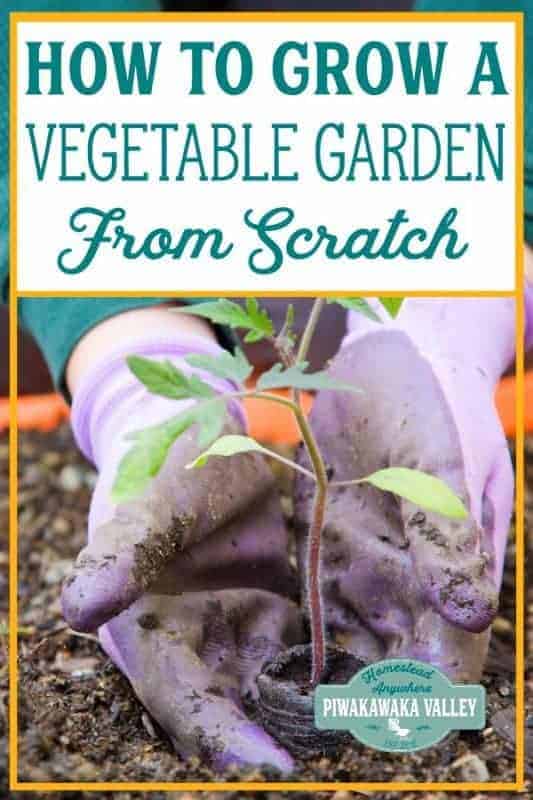
Dig a hole slightly wider than the seedling’s root ball and approximately the same depth as the pot or cell tray. Carefully remove the seedling without pulling on the stem, place it into the hole and gently firm the soil around the roots.
Most vegetables should be planted at exactly the same depth they were growing in their container.
The main exception is tomatoes. Unlike most vegetables, tomatoes happily grow additional roots along buried stems, so planting them a little deeper encourages stronger plants.
Once planted, water each seedling thoroughly to settle the soil around the roots and remove any air pockets.
RELATED: How to Harden Off Seedlings Before Planting
6. Watering Your New Vegetable Garden
One of the most common beginner mistakes isn’t watering too little—it’s watering too often.
Light daily watering encourages shallow roots that dry out quickly. Deep watering every few days encourages roots to grow down into the soil where moisture lasts much longer.
Water deeply enough that moisture reaches well below the surface.
The easiest way to check is simply to push your finger into the soil. If it’s still damp a few centimetres down, your plants probably don’t need more water yet.
When Is the Best Time to Water?
| Time | Good Choice? | Why |
|---|---|---|
| Early morning | ★★★★★ | Best absorption, lower disease risk |
| Late afternoon | ★★★★☆ | Good if foliage dries before night |
| Middle of the day | ★★☆☆☆ | Higher evaporation losses |
| Late evening | ★☆☆☆☆ | Can encourage fungal diseases |
If you’re heading into a long hot spell, adding mulch around your vegetables can reduce watering dramatically by slowing evaporation from the soil.
7. Looking After Your Vegetable Garden
The first few weeks are when your new garden needs the most attention.
Once vegetables become established they begin shading the soil, competing with weeds and developing stronger root systems. Until then, they’re relying on you.
Keep Weeds Small
Never underestimate tiny weeds.
A five-minute weed every few days is far easier than spending an entire weekend pulling waist-high weeds later.
Young weeds compete directly with your vegetables for sunlight, water and nutrients, exactly when your seedlings need those resources most.
I find it much easier to stay ahead of weeds than to catch up with them.
Feed Your Soil Regularly
Every harvest removes nutrients from your garden.
The easiest way to replace them is by continually adding compost and organic matter. Even one or two generous compost applications each year can completely transform a vegetable garden over time.
If your vegetables start looking pale or slow down unexpectedly, don’t immediately reach for fertiliser. Check the basics first:
| Problem | Possible Cause |
|---|---|
| Yellow leaves | Nitrogen deficiency or overwatering |
| Poor growth | Cold soil or lack of sunlight |
| Wilting | Dry soil or damaged roots |
| Poor fruiting | Too much nitrogen or insufficient sun |
RELATED: Organic Soil Amendments
Natural Pest Control
Every vegetable garden has pests eventually.
Don’t let that discourage you. A healthy garden usually finds its own balance over time.
Rather than trying to eliminate every insect, aim to encourage beneficial insects that naturally keep pest populations under control.
Ladybirds, hoverflies, lacewings and parasitic wasps are some of your greatest allies.
Growing flowering herbs and companion plants around the edges of your vegetable garden helps attract these helpful predators.
If aphids do appear, they can usually be controlled with a homemade organic spray before they become a serious problem.
RELATED: Homemade Organic Pest Spray
RELATED: 20 Plants That Attract Beneficial Insects
8. Harvesting Your Vegetables
Harvesting is by far the most rewarding part of gardening, and it’s where all of your hard work finally pays off.
One thing that surprises many beginner gardeners is that harvesting regularly actually encourages many vegetables to keep producing. Beans, peas, cucumbers, zucchini and many leafy greens all crop for much longer when you pick them often.
Leaving vegetables on the plant for too long usually tells the plant its job is done and it can start producing seed instead of more food.
Get into the habit of wandering through your garden every day or two with a basket. You’ll often find vegetables ready to pick that you hadn’t noticed the day before.
| Vegetable | Harvest Often? | Best Picked |
|---|---|---|
| Beans | Yes | Young and tender |
| Peas | Yes | Pods full but still sweet |
| Lettuce | Yes | Outer leaves regularly |
| Zucchini | Very Often | 15–20 cm long |
| Cucumbers | Often | Before they become oversized |
| Broccoli | Yes | Before flower buds open |
Mulching: The Secret to Easier Gardening
If there is one habit that has transformed our vegetable gardens more than almost anything else, it’s mulching.
A generous layer of mulch keeps weeds under control, reduces watering, protects the soil from heavy rain, feeds worms and gradually breaks down into beautiful organic matter.
For our gardens I almost always use fresh arborist wood chips. Unlike bark mulch, arborist mulch contains leaves, small branches and green material, making it much more biologically active.
Contrary to popular belief, wood chip mulch does not rob nitrogen from your vegetables when it is spread on top of the soil. That only becomes an issue if it is dug into the soil while still fresh.
I simply spread a layer 5–10 cm (2–4 inches) thick around established plants and let nature do the work.
As it breaks down, earthworms pull it into the soil and the structure improves every year.
RELATED: Benefits of Mulching Your Vegetable Garden
Should You Rotate Crops?
Crop rotation has been recommended for generations because it can reduce the build-up of pests and diseases while balancing nutrient use.
However, don’t let crop rotation become something that stops you from getting started.
If you’re just beginning your gardening journey, your biggest priorities are learning how your garden behaves, building healthy soil and growing vegetables successfully.
Many successful gardeners—including Charles Dowding with his famous no-dig gardens—have demonstrated that excellent soil health and generous annual compost applications can allow crops to thrive even when they are grown in the same beds repeatedly.
As your garden expands, rotating plant families becomes easier, but it isn’t something you need to obsess over in your first season.
RELATED: Understanding Crop Rotation
Succession Planting: Harvest More From the Same Space
One of the biggest differences between beginner gardeners and experienced gardeners is that experienced gardeners rarely leave empty soil.
As soon as one crop finishes, another one is ready to take its place.
This simple technique, known as succession planting, dramatically increases how much food you can harvest from a small area.
Instead of planting everything on one weekend in spring, sow a few rows every couple of weeks.
This gives you a steady supply of fresh vegetables rather than one enormous harvest followed by nothing.
| After Harvesting… | Plant… |
|---|---|
| Peas | Beans or carrots |
| Garlic | Pumpkins or corn |
| Early lettuce | Beetroot or beans |
| Potatoes | Brassicas |
RELATED: A Beginner’s Guide to Succession Planting
Keep a Gardening Journal
I wish I’d started recording my gardening much sooner.
A simple notebook—or even your phone—quickly becomes one of the most valuable gardening tools you own.
Write down:
- What varieties you planted.
- When you planted them.
- First and last frost dates.
- When crops were ready.
- Which varieties performed well.
- Any pests or diseases.
- Weather extremes.
By the second or third year you’ll have your own personalised growing guide that’s far more valuable than any generic gardening book.
Frequently Asked Questions
How big should my first vegetable garden be?
Start small. A garden around 2 × 3 metres (6 × 10 feet) is plenty for your first season. It’s much easier to expand later than become overwhelmed trying to manage a huge space.
What vegetables grow the fastest?
Radishes, lettuce, spinach, Asian greens and baby beetroot are among the quickest vegetables to produce a harvest.
Can I start a vegetable garden if my soil is poor?
Absolutely. Almost every soil improves with compost, mulch and organic matter. Raised beds are another excellent option if your soil drains poorly.
How much sun do vegetables need?
Most vegetables perform best with at least six hours of direct sunlight each day, while fruiting vegetables such as tomatoes, pumpkins and cucumbers usually produce better with eight or more hours.
Should I grow from seed or seedlings?
For complete beginners, using a mixture of both is often the easiest approach. Direct sow easy crops like beans and peas while buying seedlings for slower-growing vegetables.
Final Thoughts
Starting a vegetable garden from scratch doesn’t require expensive equipment or years of experience.
The most successful gardeners aren’t the ones with perfect soil or perfect weather—they’re simply the ones who keep learning, keep experimenting and keep planting.
Every season teaches you something new.
Some crops will surprise you, some will fail spectacularly, and that’s completely normal. Even experienced gardeners have disasters from time to time.
The important thing is to begin.
Plant one bed. Grow a handful of vegetables. Learn from them. Then grow a little more next season.
Before long you’ll wonder why you didn’t start years ago.
If you’d like me to guide you through your entire first year of gardening, including what to plant each month, troubleshooting problems and building healthy soil naturally, I’d love to help.
Explore my gardening resources here.
Next Lesson: Episode Two – Growing Vegetables From Seed
Please Pin and Share with your friends and family!


1 thought on “8 Simple Steps: How to start a vegetable garden from scratch”